Colostrum Management
Best Practices for Proper Colostrum Management
It’s More Than Just Immunity
Unlike many other mammals, immunoglobulins do not cross the placenta of cows to reach the fetus during development; therefore, the newborn calf has no immunity at birth.
It must rely on antibodies obtained through ingestion of colostrum. Maternal colostrum provides the main source of immunoglobulins (Ig), important nutrients and growth factors for the newborn calf. If the calf fails to absorb enough immunoglobulins into its blood within the first 24 hours of life, we call this Failure of Passive Transfer (FPT). These calves are susceptible to more infections and life-long diseases than calves with Adequate Passive Transfer.
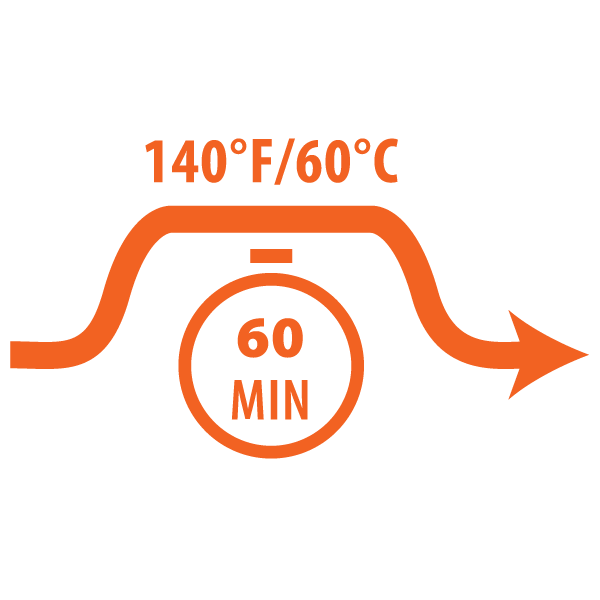
Cows stressed by environment1, overcrowding, poor nutrition2, or inadequate vaccination will produce lower quality colostrum. The chances of FPT increase significantly if colostrum quality, quantity and time of the calf’s first feeding are not optimal3. An elevated bacterial load will reduce the ability of the calf’s intestine to absorb immunoglobulins from colostrum. That is why it is so crucial to eliminate the pathogens by heat treating the colostrum. This improves absorption while preventing spread of diseases in the herd.
This guide will help to remind calf attendants about the critical steps required to deliver a healthy calf with a healthy immune system.
Deliver the Calf
Handling the Cow
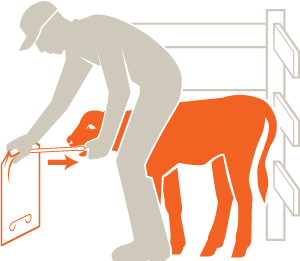
If time allows, begin warming a bag of colostrum so that is will be ready when the calf is born.
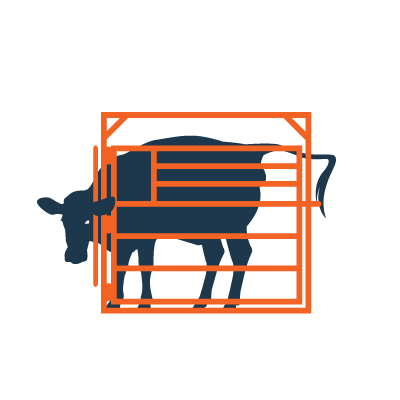
- Restrain the cow so she can be released quickly if she falls down
- Make certain the delivery area is CLEAN for both cow and calf with good footing for the cow
- CLEAN the vulva. Wear gloves.
- Wipe manure from area with a disposable towel.
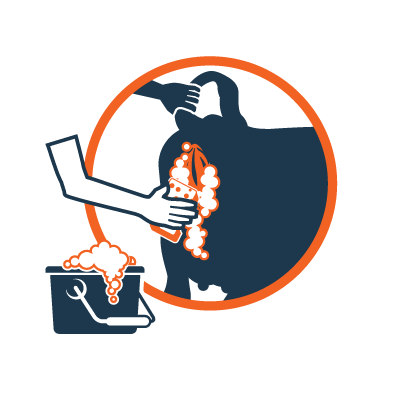
- Scrub the vulva with water and disinfectant until a thick heavy foam is present.
- Always wear CLEAN shoulder length OB sleeves and replace if they become torn.
- Liberally apply lubricant in the cow’s birth canal before attempting to deliver the calf.4
Assess the Calf’s Position
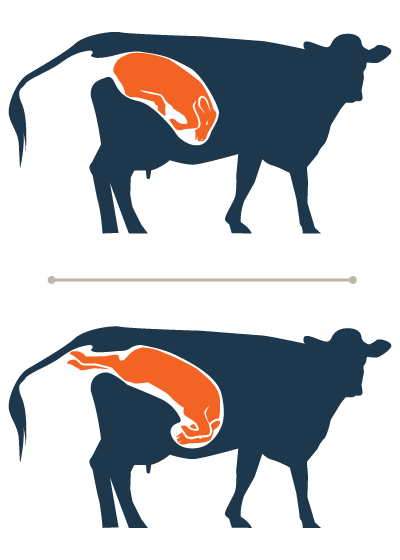
Determine the position of the calf. Normal presentation is front feet and head first with the back up. Always make sure of the position by checking the joints on the calf leg as seen in the pictures. Position the calf as shown here and call for assistance if this is not possible.
Normal
Abnormal
- Two Feet Out
- Soles Down
- Head Following
Delivery Assistance
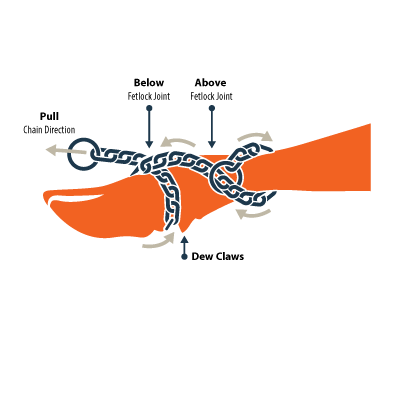
- ttach the calf straps as shown.
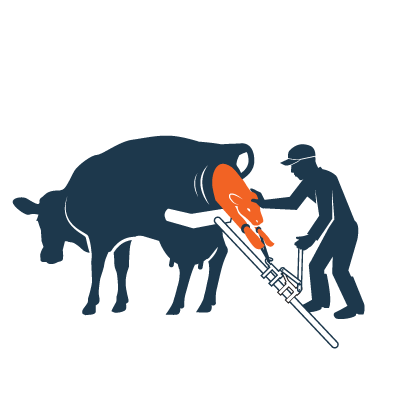
- Deliver the calf with a single person using a calf jack, or with two people pulling by hand.
When to Call for Help?
Call your Veterinarian when:
- The calf cannot be turned to a normal delivery position
- The calf cannot be delivered within 30 minutes
Assist the Calf
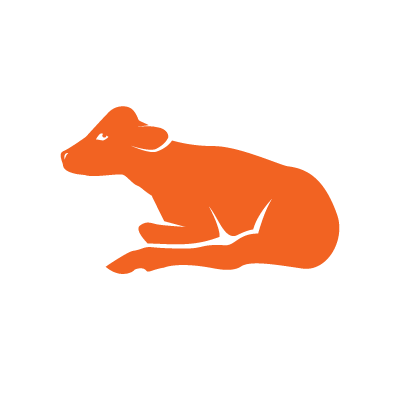
- Place calf in sternal position, as shown, on a clean, dry surface.
- Clear nose of membranes and fluids by lowering the head … NEVER hang the calf upside down as this puts pressure on lungs and prevents them from inflating.
- Stimulate breathing:
- Tickle calf’s nose with piece of clean straw.
- Pour a small amount of water into calf’s ear.
- Respiratory stimulants prescribed by your veterinarian.
- Rub calf vigorously with CLEAN towel to also stimulate breathing and to dry the calf.
Feed the Calf
Handling the Cow
If time allows, begin warming a bag of colostrum so that is will be ready when the calf is born.
- Restrain the cow so she can be released quickly if she falls down
- Make certain the delivery area is CLEAN for both cow and calf with good footing for the cow
- CLEAN the vulva. Wear gloves.
- Wipe manure from area with a disposable towel.
- Scrub the vulva with water and disinfectant until a thick heavy foam is present.
- Always wear CLEAN shoulder length OB sleeves and replace if they become torn.
- Liberally apply lubricant in the cow’s birth canal before attempting to deliver the calf.4
Assess the Calf’s Position
Determine the position of the calf. Normal presentation is front feet and head first with the back up. Always make sure of the position by checking the joints on the calf leg as seen in the pictures. Position the calf as shown here and call for assistance if this is not possible.
Normal
Abnormal
- Two Feet Out
- Soles Down
- Head Following
Delivery Assistance
- ttach the calf straps as shown.
- Deliver the calf with a single person using a calf jack, or with two people pulling by hand.
When to Call for Help?
Call your Veterinarian when:
- The calf cannot be turned to a normal delivery position
- The calf cannot be delivered within 30 minutes
Assist the Calf
- Place calf in sternal position, as shown, on a clean, dry surface.
- Clear nose of membranes and fluids by lowering the head … NEVER hang the calf upside down as this puts pressure on lungs and prevents them from inflating.
- Stimulate breathing:
- Tickle calf’s nose with piece of clean straw.
- Pour a small amount of water into calf’s ear.
- Respiratory stimulants prescribed by your veterinarian.
- Rub calf vigorously with CLEAN towel to also stimulate breathing and to dry the calf.
Collect the Colostrum
Handling the Cow
If time allows, begin warming a bag of colostrum so that is will be ready when the calf is born.
- Restrain the cow so she can be released quickly if she falls down
- Make certain the delivery area is CLEAN for both cow and calf with good footing for the cow
- CLEAN the vulva. Wear gloves.
- Wipe manure from area with a disposable towel.
- Scrub the vulva with water and disinfectant until a thick heavy foam is present.
- Always wear CLEAN shoulder length OB sleeves and replace if they become torn.
- Liberally apply lubricant in the cow’s birth canal before attempting to deliver the calf.4
Assess the Calf’s Position
Determine the position of the calf. Normal presentation is front feet and head first with the back up. Always make sure of the position by checking the joints on the calf leg as seen in the pictures. Position the calf as shown here and call for assistance if this is not possible.
Normal
Abnormal
- Two Feet Out
- Soles Down
- Head Following
Delivery Assistance
- ttach the calf straps as shown.
- Deliver the calf with a single person using a calf jack, or with two people pulling by hand.
When to Call for Help?
Call your Veterinarian when:
- The calf cannot be turned to a normal delivery position
- The calf cannot be delivered within 30 minutes
Assist the Calf
- Place calf in sternal position, as shown, on a clean, dry surface.
- Clear nose of membranes and fluids by lowering the head … NEVER hang the calf upside down as this puts pressure on lungs and prevents them from inflating.
- Stimulate breathing:
- Tickle calf’s nose with piece of clean straw.
- Pour a small amount of water into calf’s ear.
- Respiratory stimulants prescribed by your veterinarian.
- Rub calf vigorously with CLEAN towel to also stimulate breathing and to dry the calf.
Pasteurizing & Storing the Colostrum
Handling the Cow
If time allows, begin warming a bag of colostrum so that is will be ready when the calf is born.
- Restrain the cow so she can be released quickly if she falls down
- Make certain the delivery area is CLEAN for both cow and calf with good footing for the cow
- CLEAN the vulva. Wear gloves.
- Wipe manure from area with a disposable towel.
- Scrub the vulva with water and disinfectant until a thick heavy foam is present.
- Always wear CLEAN shoulder length OB sleeves and replace if they become torn.
- Liberally apply lubricant in the cow’s birth canal before attempting to deliver the calf.4
Assess the Calf’s Position
Determine the position of the calf. Normal presentation is front feet and head first with the back up. Always make sure of the position by checking the joints on the calf leg as seen in the pictures. Position the calf as shown here and call for assistance if this is not possible.
Normal
Abnormal
- Two Feet Out
- Soles Down
- Head Following
Delivery Assistance
- ttach the calf straps as shown.
- Deliver the calf with a single person using a calf jack, or with two people pulling by hand.
When to Call for Help?
Call your Veterinarian when:
- The calf cannot be turned to a normal delivery position
- The calf cannot be delivered within 30 minutes
Assist the Calf
- Place calf in sternal position, as shown, on a clean, dry surface.
- Clear nose of membranes and fluids by lowering the head … NEVER hang the calf upside down as this puts pressure on lungs and prevents them from inflating.
- Stimulate breathing:
- Tickle calf’s nose with piece of clean straw.
- Pour a small amount of water into calf’s ear.
- Respiratory stimulants prescribed by your veterinarian.
- Rub calf vigorously with CLEAN towel to also stimulate breathing and to dry the calf.
Monitoring Colostrum Protocol Effectiveness
Handling the Cow
If time allows, begin warming a bag of colostrum so that is will be ready when the calf is born.
- Restrain the cow so she can be released quickly if she falls down
- Make certain the delivery area is CLEAN for both cow and calf with good footing for the cow
- CLEAN the vulva. Wear gloves.
- Wipe manure from area with a disposable towel.
- Scrub the vulva with water and disinfectant until a thick heavy foam is present.
- Always wear CLEAN shoulder length OB sleeves and replace if they become torn.
- Liberally apply lubricant in the cow’s birth canal before attempting to deliver the calf.4
Assess the Calf’s Position
Determine the position of the calf. Normal presentation is front feet and head first with the back up. Always make sure of the position by checking the joints on the calf leg as seen in the pictures. Position the calf as shown here and call for assistance if this is not possible.
Normal
Abnormal
- Two Feet Out
- Soles Down
- Head Following
Delivery Assistance
- ttach the calf straps as shown.
- Deliver the calf with a single person using a calf jack, or with two people pulling by hand.
When to Call for Help?
Call your Veterinarian when:
- The calf cannot be turned to a normal delivery position
- The calf cannot be delivered within 30 minutes
Assist the Calf
- Place calf in sternal position, as shown, on a clean, dry surface.
- Clear nose of membranes and fluids by lowering the head … NEVER hang the calf upside down as this puts pressure on lungs and prevents them from inflating.
- Stimulate breathing:
- Tickle calf’s nose with piece of clean straw.
- Pour a small amount of water into calf’s ear.
- Respiratory stimulants prescribed by your veterinarian.
- Rub calf vigorously with CLEAN towel to also stimulate breathing and to dry the calf.
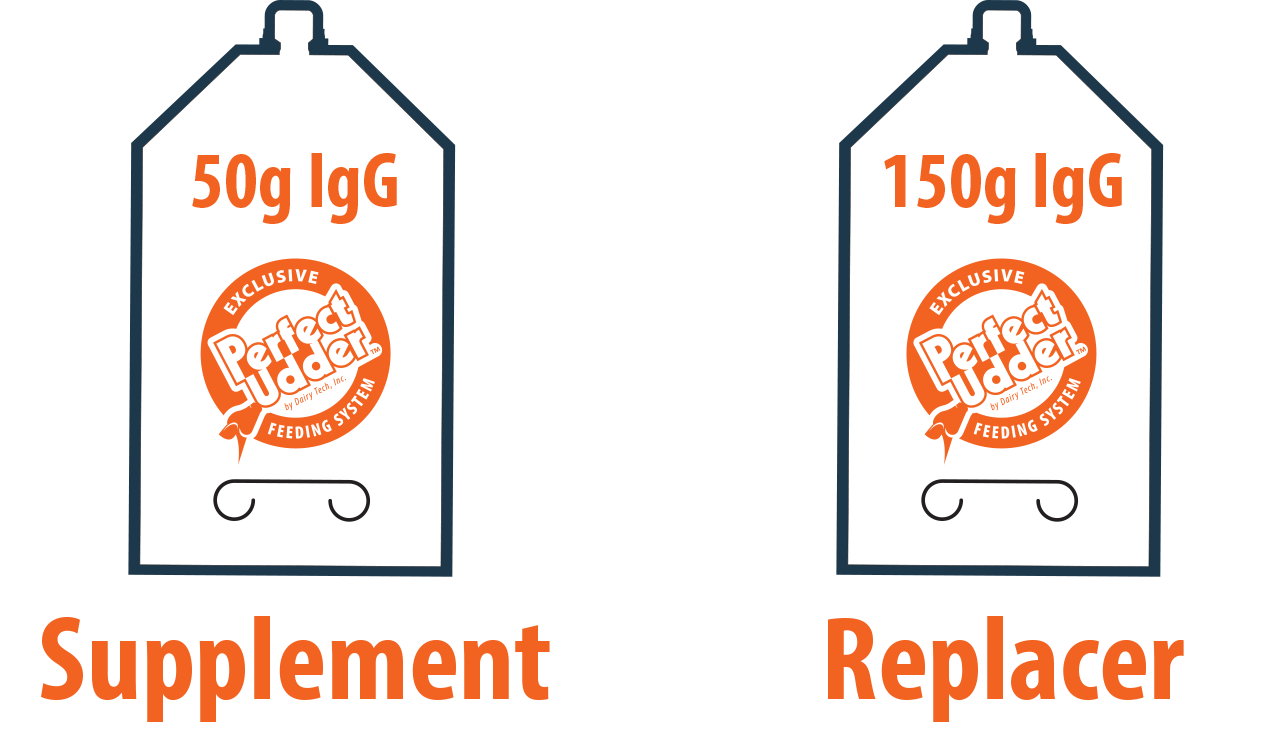
Supplements, Replacers, and Enhances…Oh My
Handling the Cow
If time allows, begin warming a bag of colostrum so that is will be ready when the calf is born.
- Restrain the cow so she can be released quickly if she falls down
- Make certain the delivery area is CLEAN for both cow and calf with good footing for the cow
- CLEAN the vulva. Wear gloves.
- Wipe manure from area with a disposable towel.
- Scrub the vulva with water and disinfectant until a thick heavy foam is present.
- Always wear CLEAN shoulder length OB sleeves and replace if they become torn.
- Liberally apply lubricant in the cow’s birth canal before attempting to deliver the calf.4
Assess the Calf’s Position
Determine the position of the calf. Normal presentation is front feet and head first with the back up. Always make sure of the position by checking the joints on the calf leg as seen in the pictures. Position the calf as shown here and call for assistance if this is not possible.
Normal
Abnormal
- Two Feet Out
- Soles Down
- Head Following
Delivery Assistance
- ttach the calf straps as shown.
- Deliver the calf with a single person using a calf jack, or with two people pulling by hand.
When to Call for Help?
Call your Veterinarian when:
- The calf cannot be turned to a normal delivery position
- The calf cannot be delivered within 30 minutes
Assist the Calf
- Place calf in sternal position, as shown, on a clean, dry surface.
- Clear nose of membranes and fluids by lowering the head … NEVER hang the calf upside down as this puts pressure on lungs and prevents them from inflating.
- Stimulate breathing:
- Tickle calf’s nose with piece of clean straw.
- Pour a small amount of water into calf’s ear.
- Respiratory stimulants prescribed by your veterinarian.
- Rub calf vigorously with CLEAN towel to also stimulate breathing and to dry the calf.
- Nardone, A., N. Lacetera, U. Bernabucci et al. 1997. Composition of colostrum from dairy heifers exposed to high air temperatures during late pregnancy and the early postpartum period. J. Dairy Sci. 80:838-844
Stott, G. 1980. Immunoglobulin Absorption inCalf Neonates with Special Considerations of Stress. Journal of Dairy Science. 63:681-688.
lson D. P., Papasian C. J. and Ritter R. C. 1980. The effects of cold stress on neonatal calves. II. Absorption of colostral immunoglobulins.Can J Comp Med. Jan 1980; 44(1): 19–23. - Quigley J. D and Drewy J. J. Nutrient and immunity transfer from cow to calf pre- and postcalving. J Dairy Sci. 1998 Oct;81(10):2779-90
- M Energy Metabolism and Thermoregulation in the newborn Calf: Effective of Calving Conditions . Vermorel et A. 1989. Canadian Journal of Animal Science, Volume 69.
- Maarten Drost, DVM. Management of Calving on Large Dairy Farms. College of Veterinary Medicine. University of Florida, Gainesville, FL
- S. Leadley, Attica Veterinary Associates and P. Sojda, Offhaus Farms, Calving Ease – Navels & Newborns, May 2004
- Weina Shi. 2014. Influence of Colostrum Feeding Programs on Passive Immunity, Growth Performance and Serum Biochemical Parameters in Holstein Dairy Calves (Thesis). China Agricultural University.
- Morril K. M., Conrad E., Lago A., Campbell J, Quigley J. and Tayller H. 2012. Nationwide evaluation of quality and composition of colostrum on dairy farms in the United States. J. Dairy Sci. 95: 3997-4005.
- V. Bielmann , J. Gillan , N. R. Perkins , A. L. Skidmore , S. Godden and K. E. Leslie . 2010. An evaluation of Brix refractometry instruments for measurement of colostrum quality in dairy cattle. J. Dairy Sci. 93 :3713–3721
- Godden, S. McMartin, J. Feirtag, J. Stabel, R. Bey, S. Goyal, L. Metzger, J. Fetrow, S. Wells, and H. Chester-Jones. 2006. Heat-Treatment of Bovine Colostrum. II: Effects of Heating Duration on Pathogen Viability and Immunoglobulin G. J. Dairy Sci. 89:3476–3483
- J. L. Johnson, S. M. Godden,1 T. Molitor, T. Ames, and D. Hagman. 2007. Effects of Feeding Heat-Treated Colostrum on Passive Transfer of Immune and Nutritional Parameters in Neonatal Dairy Calves. J. Dairy Sci. 90:5189–5198
- Fontaine, R.E., Cohen, M.L., Martin, W.T., et al. 1980). Epidemic salmonellosis from cheddar cheese: surveillance and prevention. Am J Epidemiol 111, 247–53.
Acosta-Martinez, F., Gyles, C. L., and Butler, D. G. Escherichia coli heat-stable enterotoxin in feces and intestines of calves with diarrhea. Am J Vet Res41: 1143—1149, 1980
These informative resources and more are available on our Calfology page